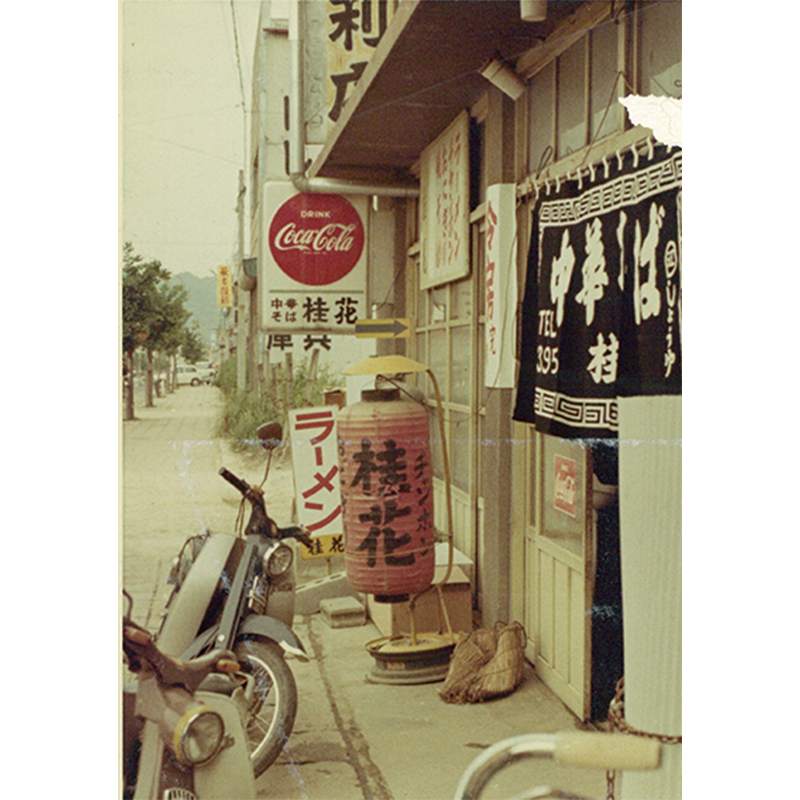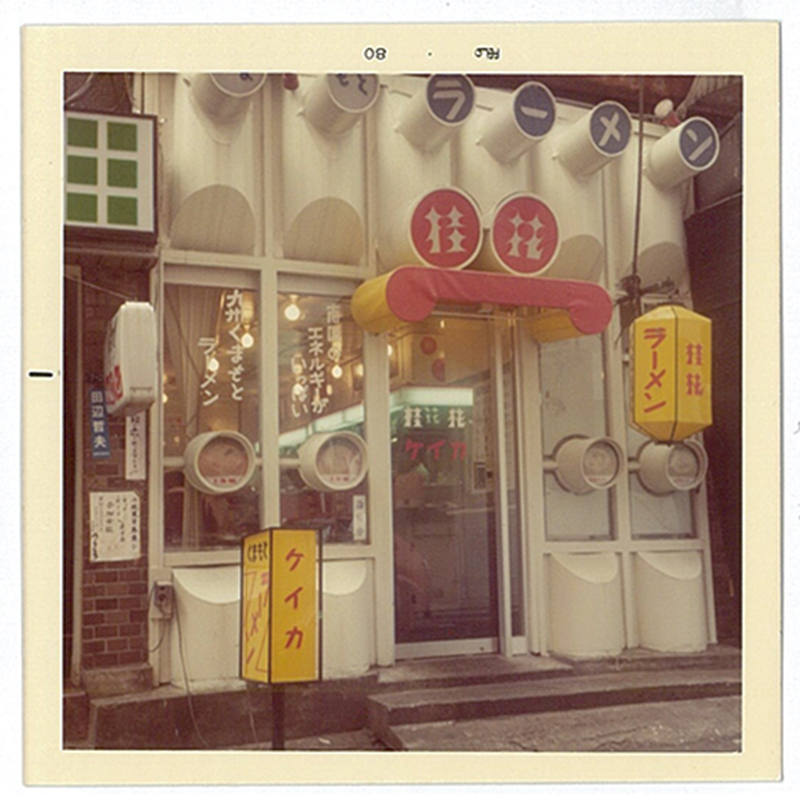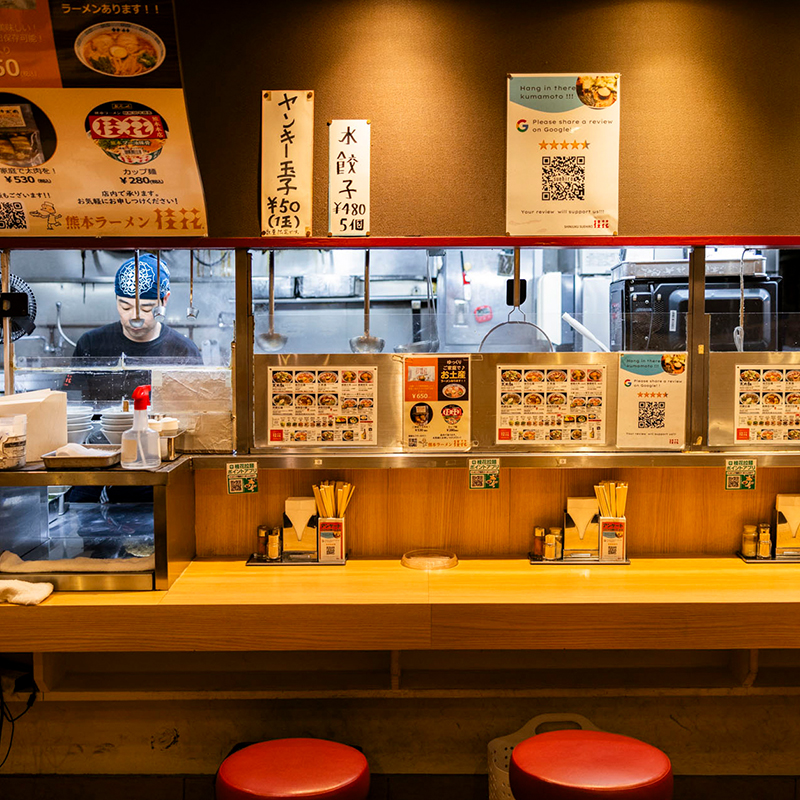



In 1968 (Showa 43), an authentic tonkotsu ramen restaurant opened in Shinjuku, Tokyo.
This restaurant was the first location outside the prefecture for “Keika Ramen” (hereafter Keika), which was founded in Kumamoto in 1955 (Showa 30).
Since then, as a pioneer that introduced Kyushu’s tonkotsu to Tokyo, it has continued to serve the taste of the “Land of Fire” in that location for nearly 60 years.
About the founder, Satsuki Hisatomi, who achieved the expansion into Tokyo. About Keika after that.
We spoke with Fumiko Kobayashi, the granddaughter of the founder and Managing Director of Keika Ramen.
Kyushu’s tonkotsu
makes its first expansion into Tokyo.
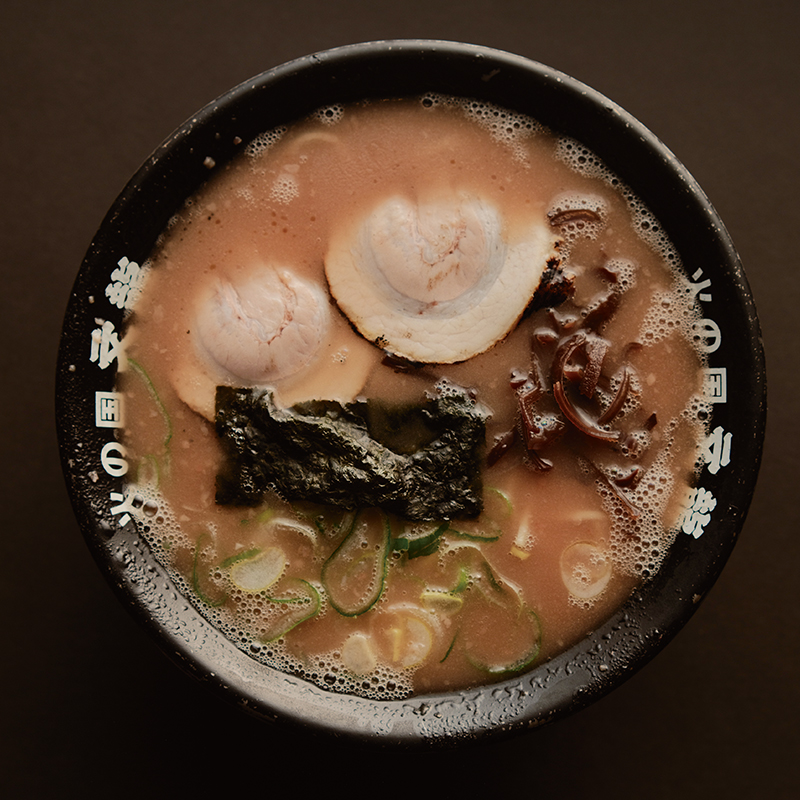
Black ma-yu floating on cloudy white tonkotsu soup. This flavored oil based on garlic and other ingredients, which is a characteristic feature of Kumamoto ramen, is said to have been first devised by Keika’s founder, Satsuki Hisatomi, and her daughter and second-generation president, Mizuyo Tabii.
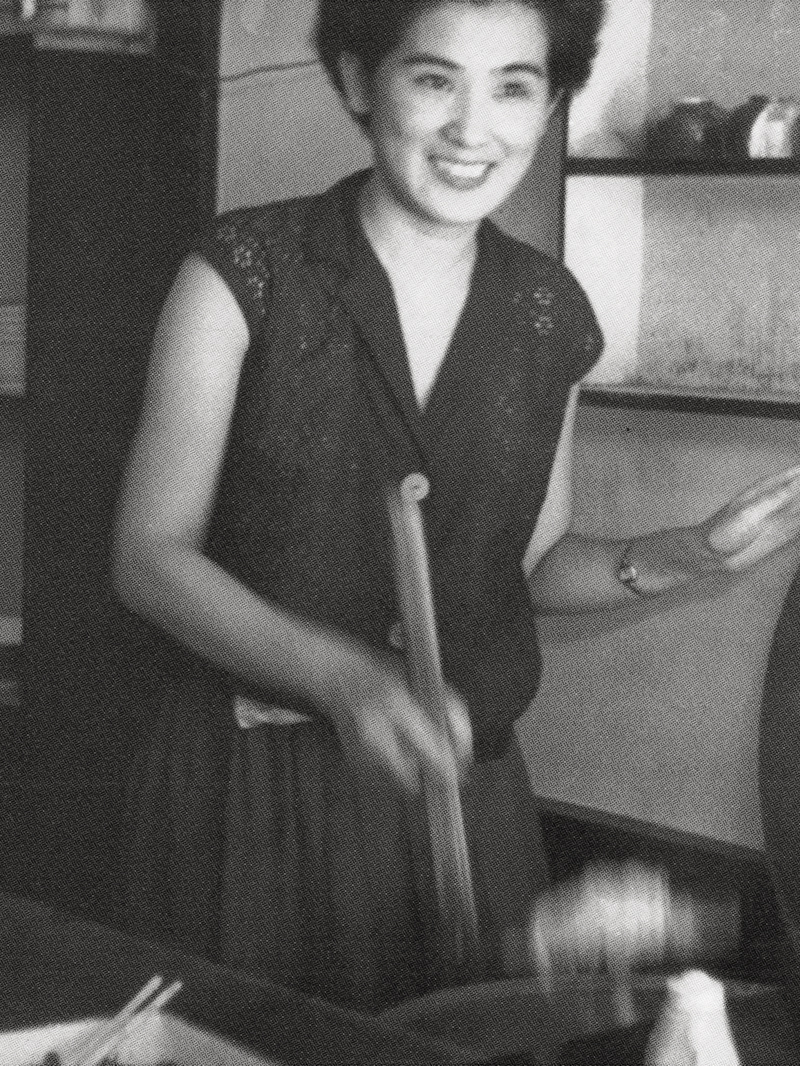
Keika, which is indispensable when discussing the history of Kumamoto ramen, is also known as the leading figure who introduced Kyushu’s tonkotsu ramen to Tokyo. In 1968 (Showa 43), they opened a shop in Tokyo, where soy sauce-based “Chuka soba” was the mainstream. “It is said that when the shop first opened, some people were surprised by the white tonkotsu soup, saying, ‘What is this? I am sure I ordered ramen,’ and left without even picking up their chopsticks.” Sharing this story with us was Fumiko Kobayashi, the Managing Director of Keika Ramen. She is the granddaughter of Satsuki Hisatomi, the founder who personally accomplished the expansion into Tokyo.
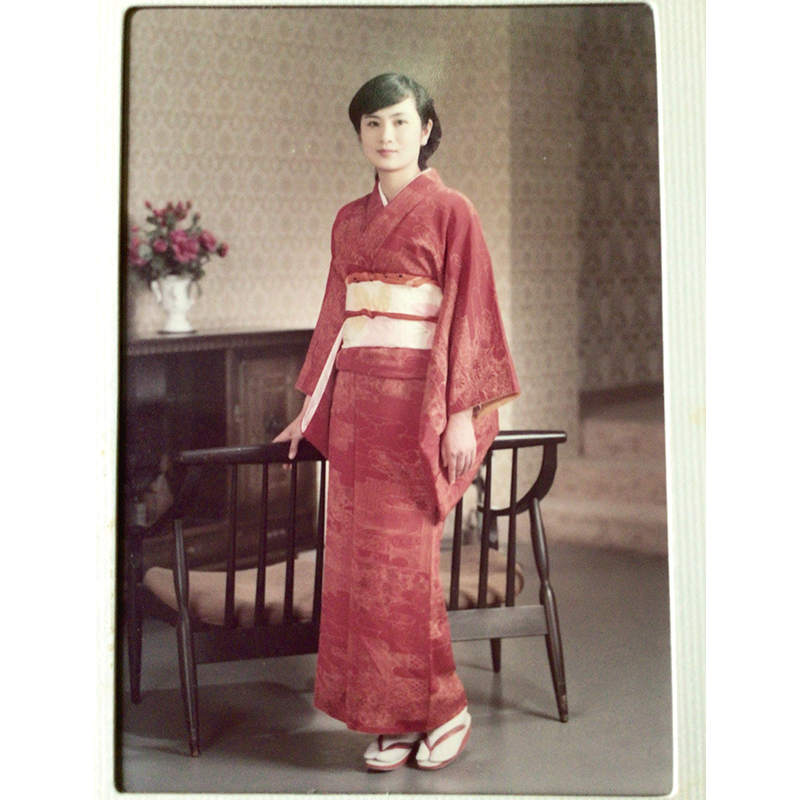
Second-Generation President Mizuyo Tabii
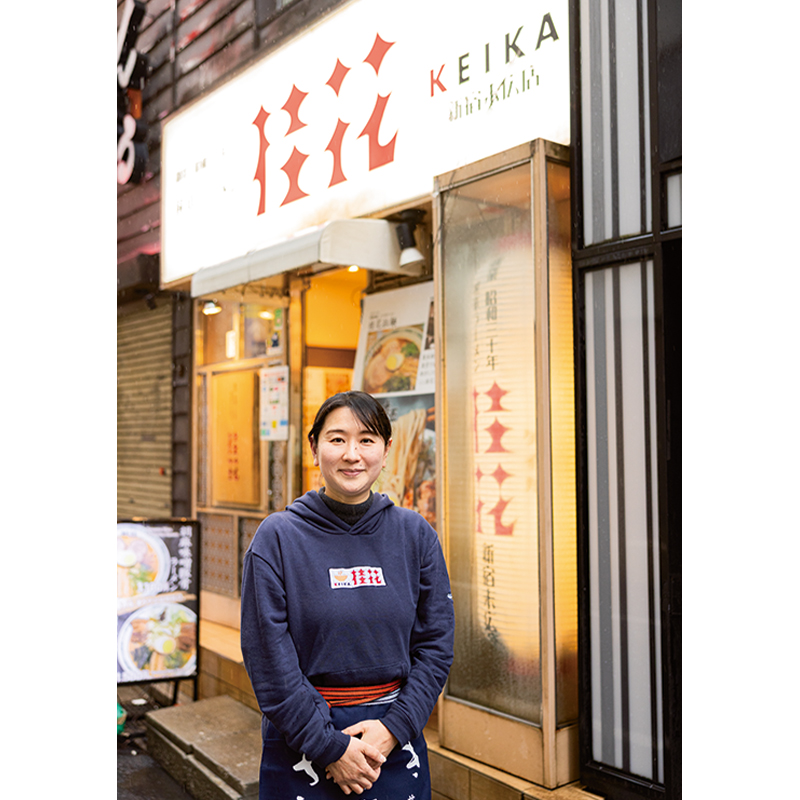
Managing Director Fumiko Kobayashi
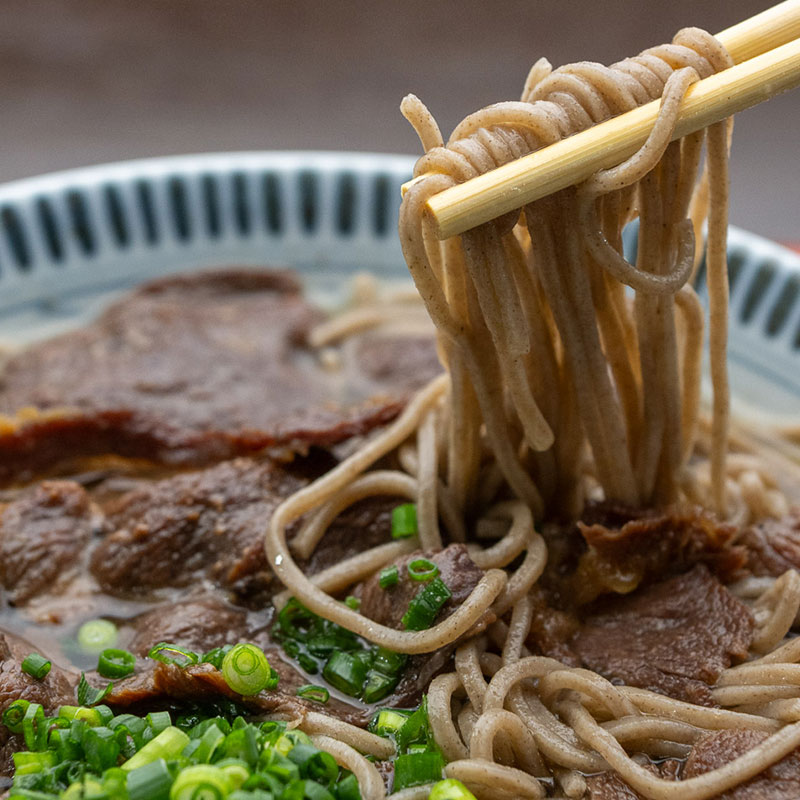
Speaking of Keika’s ramen, it is “TA-RO RA-MEN,” which is topped with large chunks of braised pork belly, raw cabbage, and stemmed wakame seaweed. These are toppings that are not often seen in Kumamoto ramen. “This menu item was born as a result of our expansion into Tokyo. Seeking toppings that other Kumamoto ramen didn’t have, we started it at the Shinjuku Suehiro shop in Tokyo. This gained popularity, leading us to serve it in Kumamoto as well, and it eventually became our signature menu item,” says Ms. Kobayashi.
It is said that including raw cabbage and stemmed wakame seaweed was out of consideration for the health of the diners. Rather than just a light snack or something to wrap up a night of drinking, making ramen stand on its own as a proper meal—that was what Ms. Hisatomi aimed for.
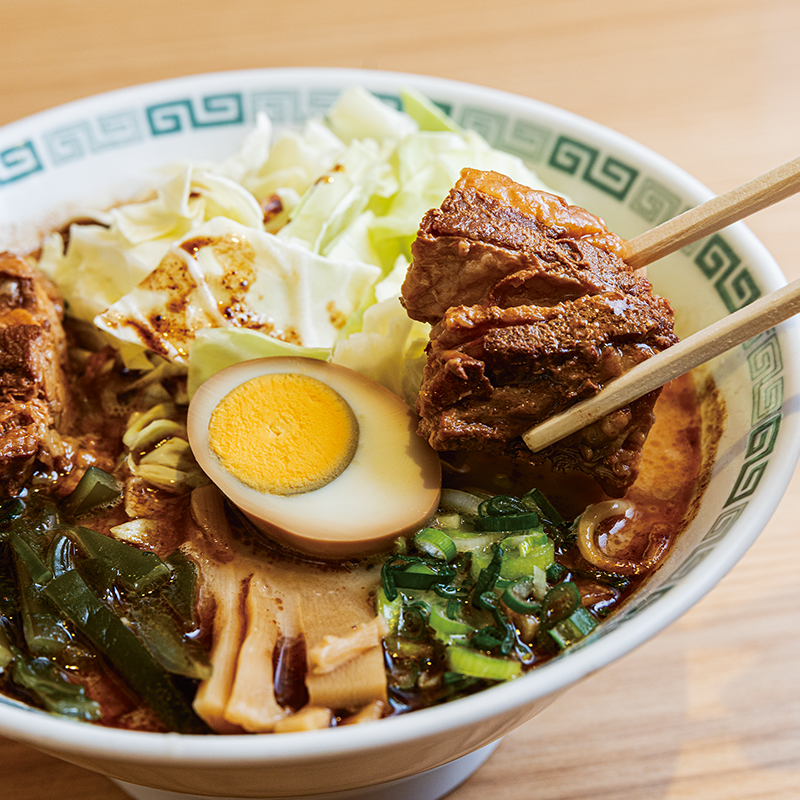
TA-RO RA-MEN
1,300 yen (tax included)
The most popular menu item, which could be called synonymous with Keika. It features melt-in-the-mouth tender, richly flavored braised pork belly.
Ms. Kobayashi describes Ms. Hisatomi’s personality and characteristics as follows.
“My grandmother was a strong-willed person. She was highly adventurous and would put her ideas into action as soon as she thought of them. She was also full of ideas and often took on things ahead of the trends. She did things like opening an Italian restaurant when it was still rare in Kumamoto, and developing health-conscious set menus long before the health boom.”
Precisely because Ms. Hisatomi was so full of an enterprising spirit, she may have been able to sense the signs of change in the world and find a path forward in ramen in Kumamoto shortly after the war, when noodles were said to mean udon and Taipien.
On the other hand, regarding her mother, Mizuyo Tabii, who was the second-generation president, Ms. Kobayashi says, “If my grandmother was a person of ‘intuition,’ my mother was a person of ‘reason.'” “It was my mother who promoted the introduction of a central kitchen in Kumamoto so that there would be no variation in flavor from shop to shop. My mother was also the one driving other initiatives for efficiency.”
Additionally, the two of them had two things in common. One was that they tried not to increase the number of shops too much. “‘Keika must be first-rate.’ That was a phrase my grandmother often used. She believed that if you prioritize increasing the number of shops, the care put into each individual shop becomes less meticulous, moving you away from being first-rate. My mother was the same.”
The second thing they had in common was the belief that “a single bowl of ramen builds a person’s body.” “They were always thinking about the health of the diners. The phrase ‘soup of life’ is often used, and from a young age, my mother also used that expression to describe the ramen Keika aimed for.”
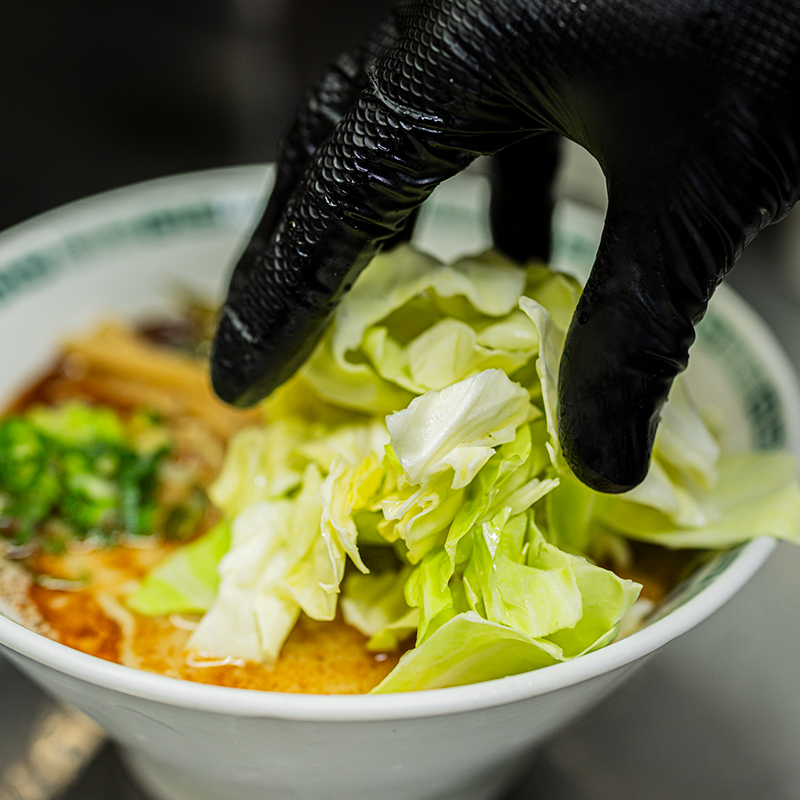
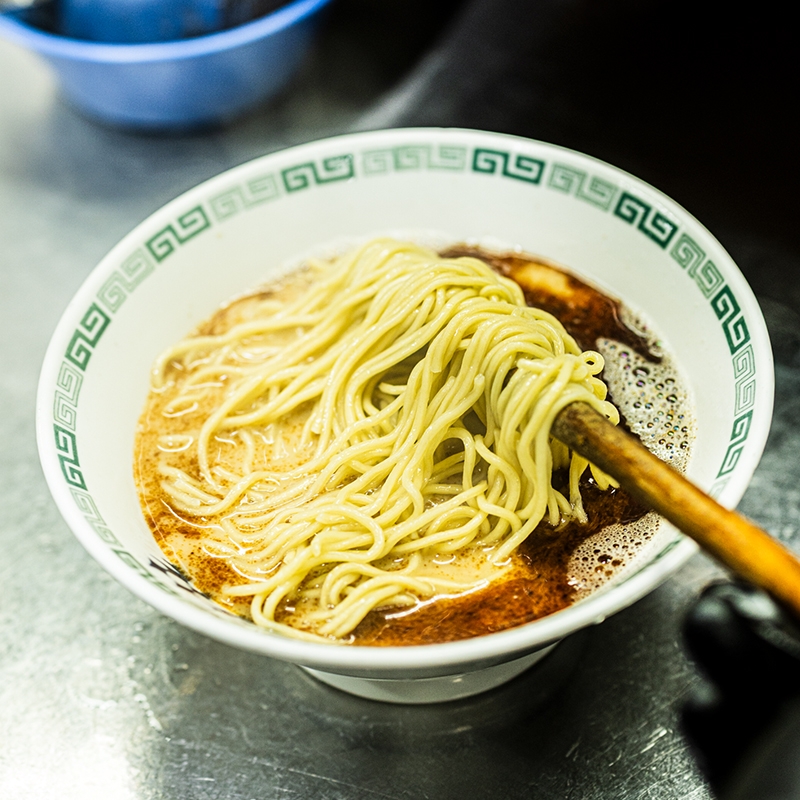
As of June 2026, Keika Ramen operates 16 shops in Kumamoto and Tokyo (8 in Kumamoto, 8 in Tokyo).
“Cherish people.”
That is the life motto.
“Satsuki Hisatomi was a person for whom the word ‘spirited’ suited perfectly.” So says Hiromasa Urakami (69), a former shop manager who worked at the Shinjuku Suehiro shop from 1977 to 2020. In the past, the Tokyo office was on the third floor of the building where the shop is located, and he would occasionally see Ms. Hisatomi there and exchange words.
“She was strong-willed, you see. When she got angry, she would speak in Kumamoto dialect. She was strict about work; I was scolded by her, but I was also taught a lot. I well remember being told to ‘cherish people.’ To take good care of the employees who work together with you. When I was a shop manager, I worked with that always in mind.”
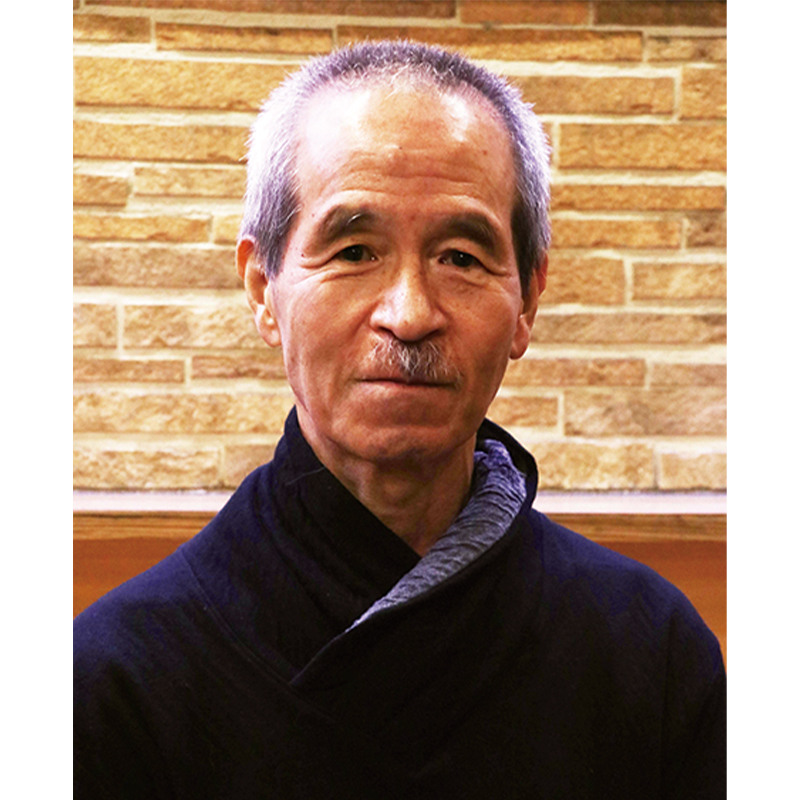
Former Shop Manager Hiromasa Urakami
Eventually, as the 2000s began, Keika faced financial difficulties due to failed capital investments and slumping sales. Ms. Kobayashi resigned from her job at the time to join Keika’s management and worked tirelessly toward an independent restructuring, but “our efforts fell short, and in November 2010, we applied for the Civil Rehabilitation Act.”
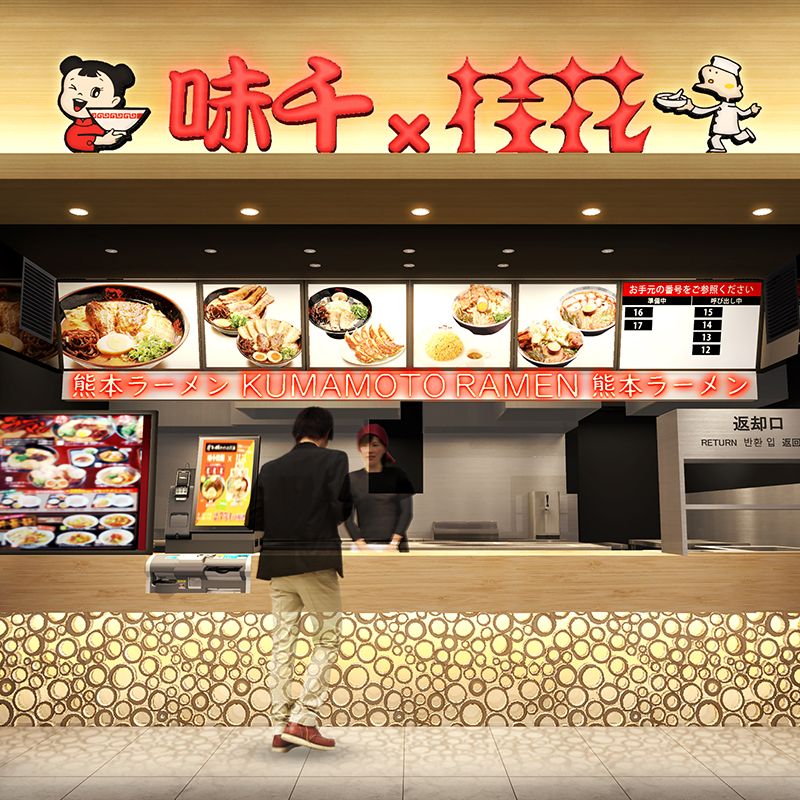
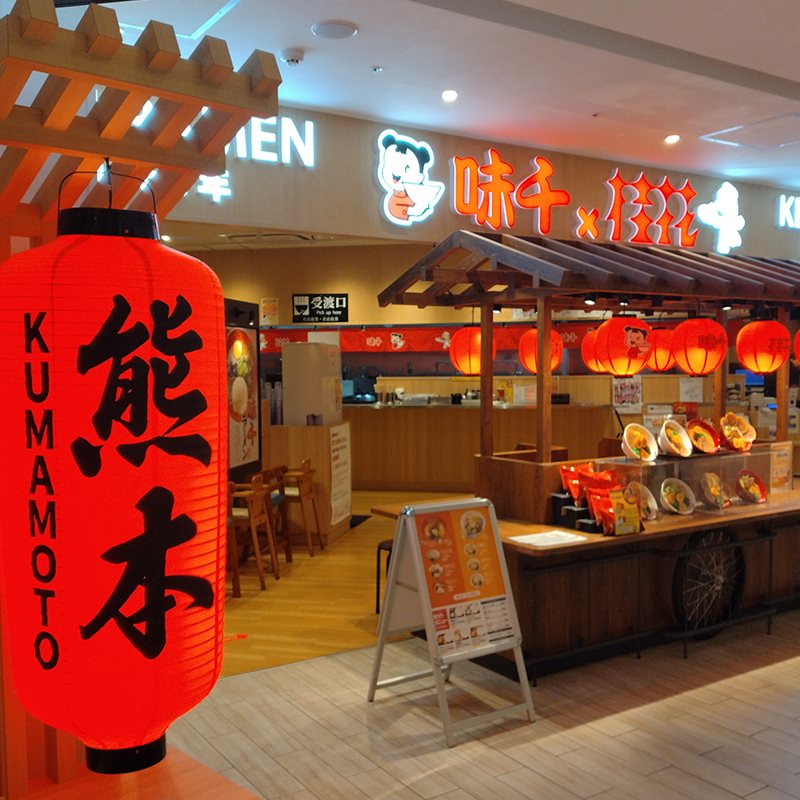
There was a company that extended a helping hand to Keika during this time. It was Shigemitsu Sangyo, which is also based in Kumamoto and operates “Ajisen Ramen.” As of March 2026, Ajisen operates approximately 660 shops overseas. It is one of the leading representatives of Kumamoto ramen, having spread the tonkotsu of the Land of Fire to the world.
“We owe them an immeasurable debt of gratitude. With the determination to protect the flavor and the brand, they accepted us, including our employees. In 2011, a new company called Keika Ramen was established, leading up to the present day as the reborn Keika.”
Ms. Kobayashi, who became involved in the management as a director of the company, says, “When I think about what my mother carried since birth as the child of the founder, I feel that the current Keika is the form that my mother wished for. Before she passed away, my grandmother was also grateful for this connection. From now on, I hope that I can pass down the things that the two of them cherished at Keika.”
The aforementioned former shop manager of the Shinjuku Suehiro shop, Mr. Urakami, says, “To ‘cherish people,’ which Ms. Hisatomi told us, was her life motto, and I think it is a virtue of Kumamoto people. Living life while cherishing people leads to being cherished by people in return. Ms. Hisatomi’s life may be a reflection of that fact.”