


It is no exaggeration to say that there is no one who loves Kumamoto ramen—or rather, ramen itself—who does not know Hinokuni Bunryu.
The location is Higashi Ward, slightly removed from downtown Kumamoto.
“This is an area you come to just to eat Bunryu.”
A rich tonkotsu ramen that never lets go of the hearts of those who eat it awaits us—so much so that people say this.
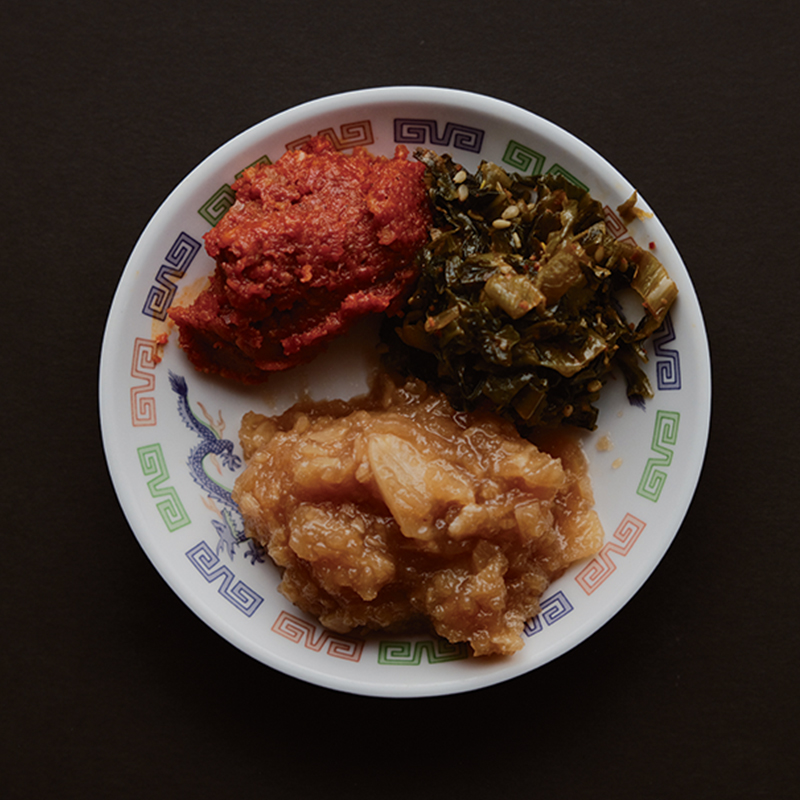
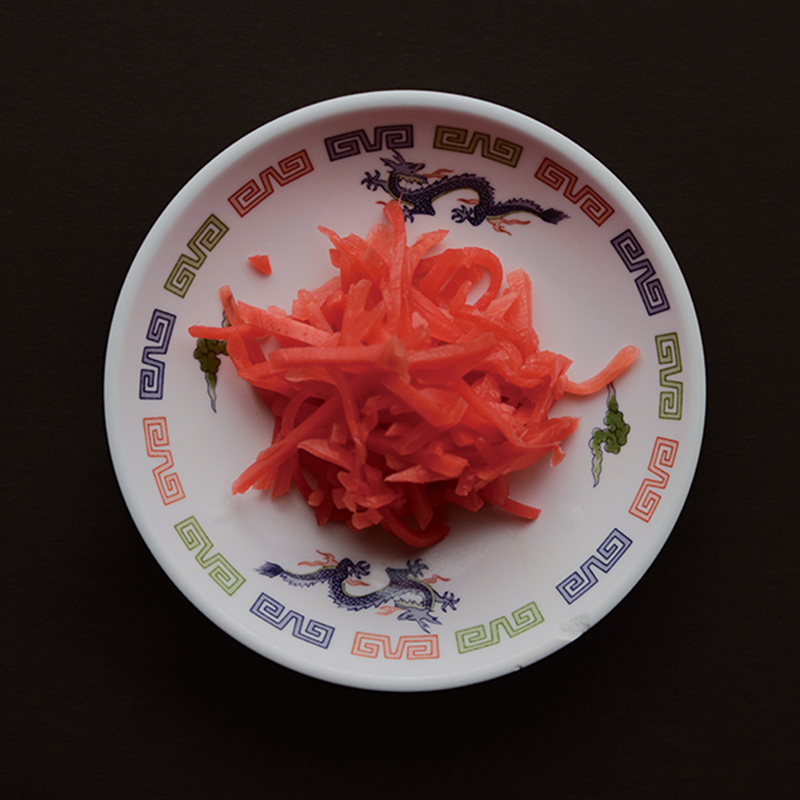
The flavor-changing condiments also serve to complement the soup. Garlic soy sauce, spicy pickled mustard greens, and ultra-spicy miso are popular. The refreshing red pickled ginger is also said to have many fans.
A giant dragon awaits.
To the mecca of rich and heavy flavor.
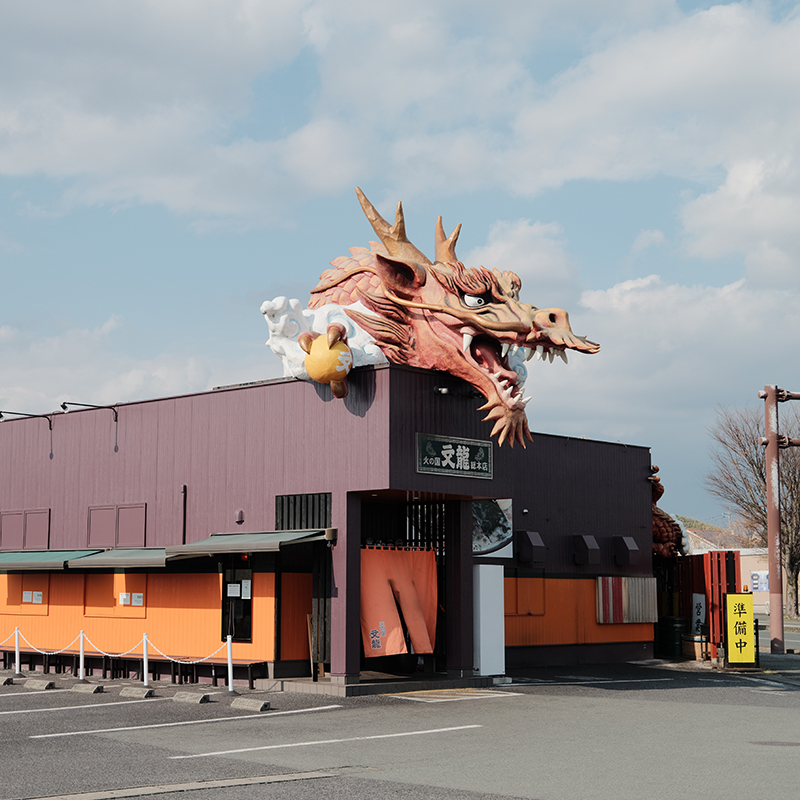
About a 30-minute drive from Aso Kumamoto Airport. Inside a residential area, a dragon’s head suddenly came into view. This distinctive storefront is something you will absolutely never forget once you see it. We have arrived at “Hinokuni Bunryu Sohonten” (hereafter, Bunryu). When you ask people in Kumamoto for their impressions of this shop, despite there being such a massive landmark, everyone uniformly speaks of the deliciousness of the ramen. Is it so delicious that even this dragon is pushed to the wayside…? Our expectations only continue to expand.
Everyone says in unison, “When you think of Bunryu, it’s Kumamoto’s number one rich and heavy soup.” However, surprisingly, the representative, Mr. Takahiro Hidaka, who welcomed us on the day of our interview, said this: “Bunryu has never been conscious of Kumamoto ramen.” Left completely wide-eyed, I was told the true meaning behind those words. Mr. Hidaka spoke as follows: “Because we stake everything on our tonkotsu soup, we do not include the mayu (black garlic oil) that is indispensable to Kumamoto ramen. When you do that, this is no longer a regional ramen, is it?”
Even within Kumamoto Prefecture, where tonkotsu is the mainstream, Mr. Hidaka says that Bunryu’s method is unique. “We use 1.4 kilograms of pork bones for a single bowl of soup, and about 2.5 to 3 tons in a week. Kumamoto-produced ones alone are not enough, so we have them gathered from Kagoshima, Fukuoka, and Hiroshima.” Peeking into the kitchen, there is a large hagama pot whose capacity in liters is unimaginable. With this, they simmer it single-mindedly.
It appears that by using fresh tonkotsu, simmering it along with the scum results in a fresh flavor with no unpleasant aftertaste. There is said to be almost no difference in the flavor of the pork bones themselves. However, he says that the taste changes depending on the preservation method. “It is not a question of which is good or bad, but the flavor changes so much that you could say fresh and frozen are completely different things. Using frozen ones brings out a wild flavor. On the other hand, we use only fresh soup, serving what was made that day on that same day. Since freshness is life, it might not be a method that can be done just anywhere.”
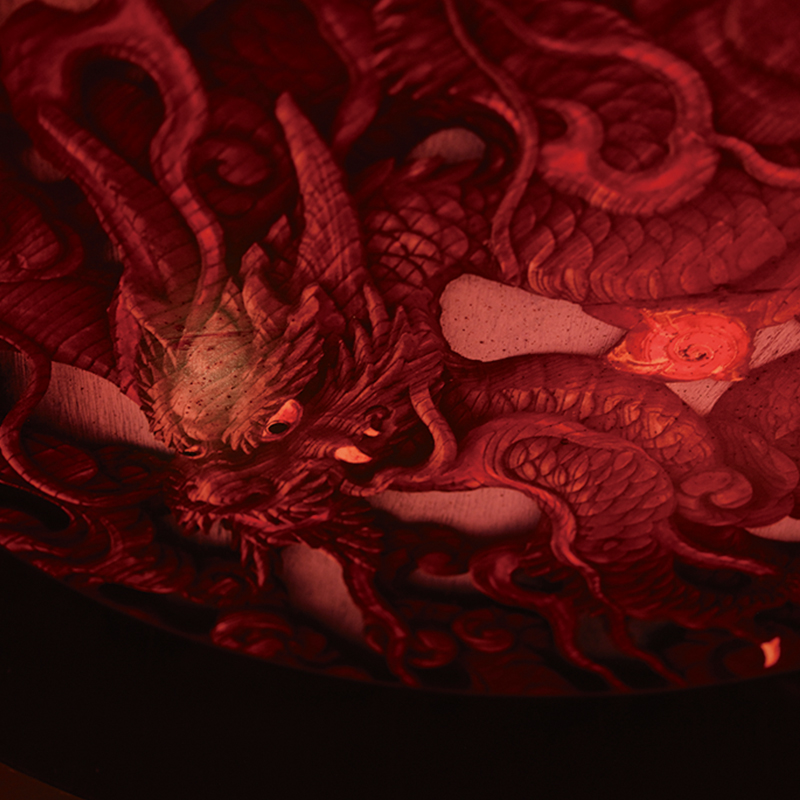
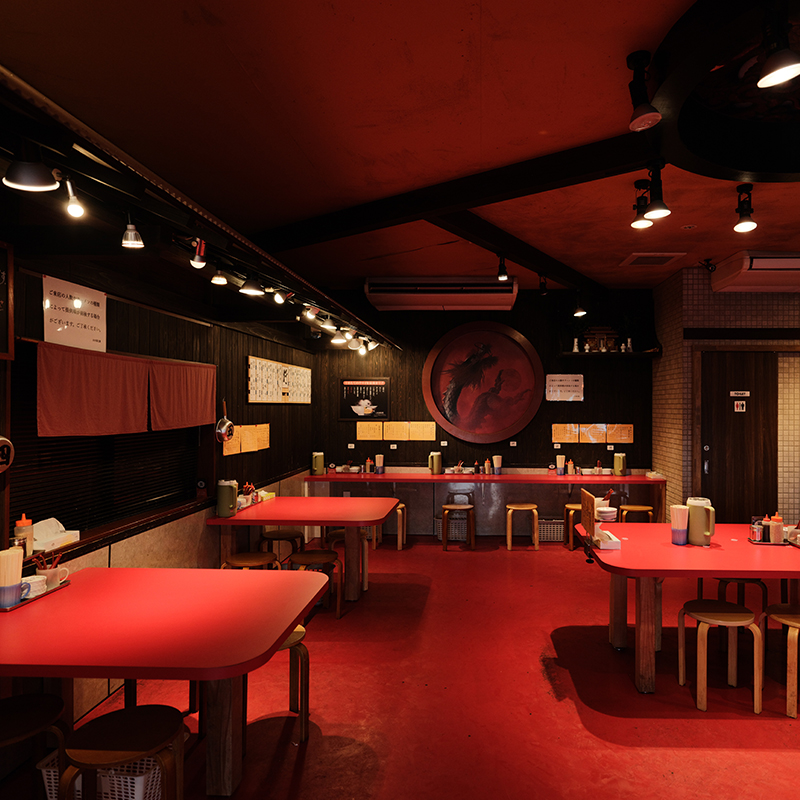
The dragon ceiling painting inside the upper part of the restaurant.
When you look up because it is so delicious, your eyes will meet.
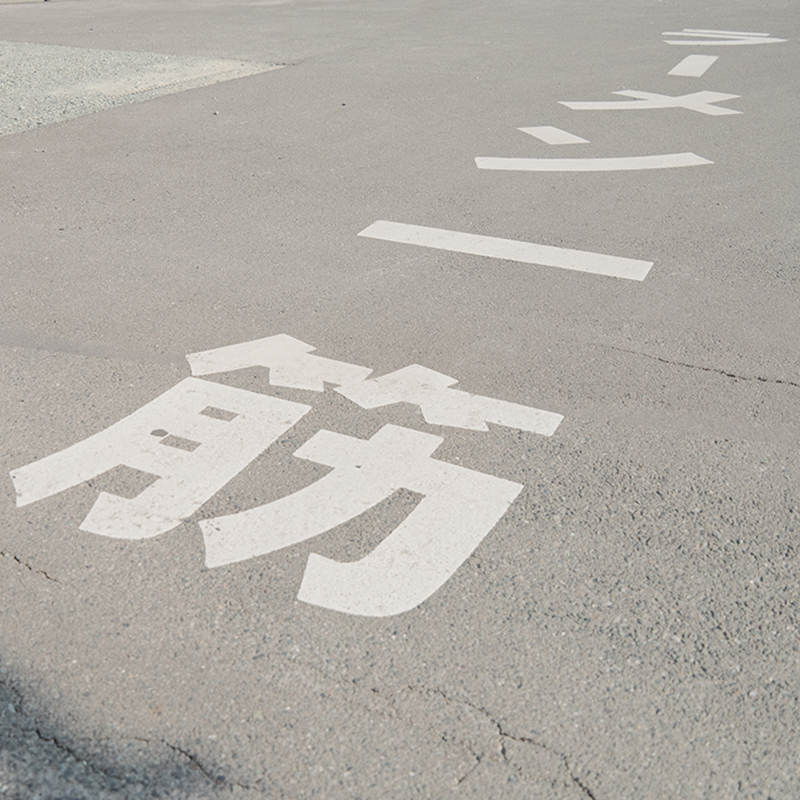
The unique road markings are a rich greeting that builds anticipation even before you park.
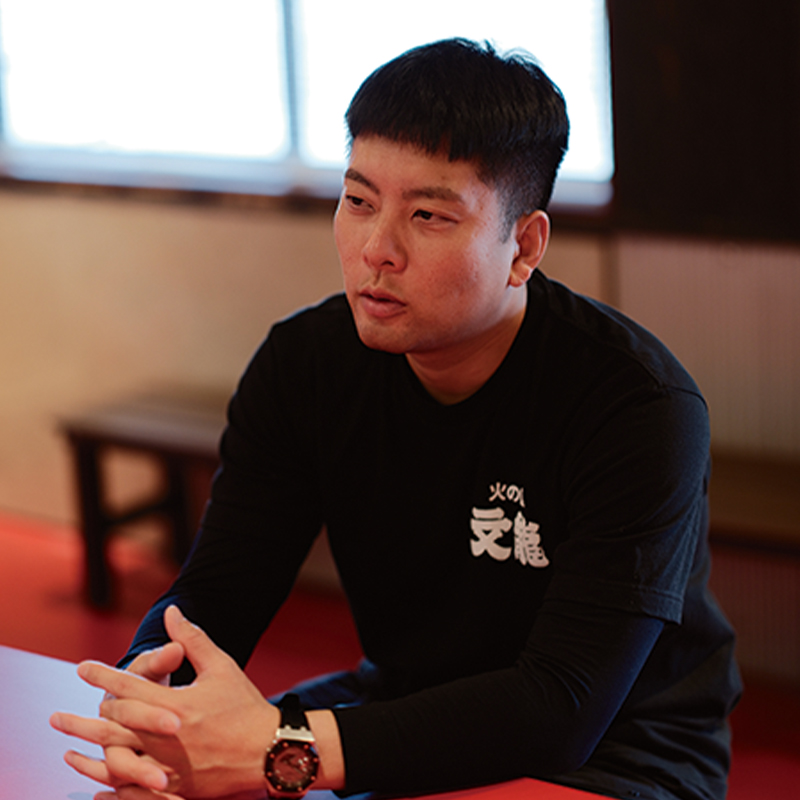
Representative Takahiro Hidaka.
He says, “I want to spread the flavor of Bunryu even more, both inside and outside the prefecture.”
Soup first.
Everything else plays a supporting role.
When I asked if he could tell me about his commitment to the noodles, Mr. Hidaka tilted his head with a thoughtful “hmm” expression. “Although they are homemade noodles, we place a considerable emphasis on our soup, so we simply aimed for noodles that match the soup. They are strictly noodles that complement the soup and do not get in its way.” The noodles, pursued entirely “for the sake of the soup,” are said to have their shape and texture meticulously calculated. This uncompromising “soup-first” approach was the same when it came to the toppings.
“We intentionally keep the flavor of Bunryu’s soup ‘slightly lacking.’ This is because everyone’s sense of taste is different, and we want them to complete the dish themselves with the toppings. To ensure that no one finds it difficult to enjoy, we purposely made it adjustable with the toppings.”
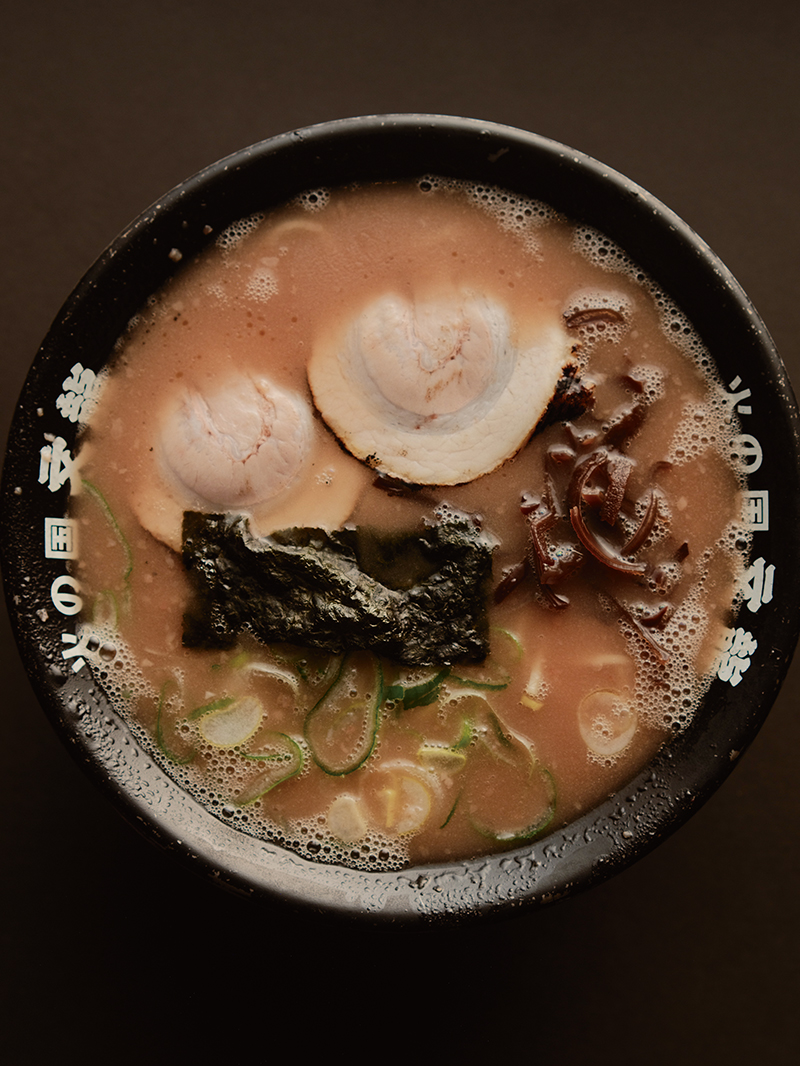
At this point, as if to interrupt the conversation, my stomach growled. It was decided that I would be treated to a bowl, and the ramen brought before my eyes had a clear aroma that, strangely, felt free of any off-flavors. That said, the rich and creamy color—so thick that you couldn’t see an inch ahead—offered the heavy richness exactly as expected. Taking a sip of the soup, I involuntarily shuddered at its shockingly intense concentration. Yet, it had a surprisingly clean finish. The spoon scooping up the soup simply wouldn’t stop. The noodles did not disrupt the flavor of the soup either, blending together beautifully in the mouth, and a smile naturally spread across my face.
Before my momentum became unstoppable, I remembered Mr. Hidaka’s advice and decided to reach for the toppings. Adding the homemade garlic soy sauce, ultra-spicy miso, and spicy pickled mustard greens little by little, the flavor transformed into one of my own preference. The red pickled ginger, highly recommended by the shop staff, was also a perfect match. By the time I drank the soup down to the last drop, my satisfaction had reached its peak.
Rich does not necessarily mean heavy—. Bunryu is the place where you can have such a first-time experience.
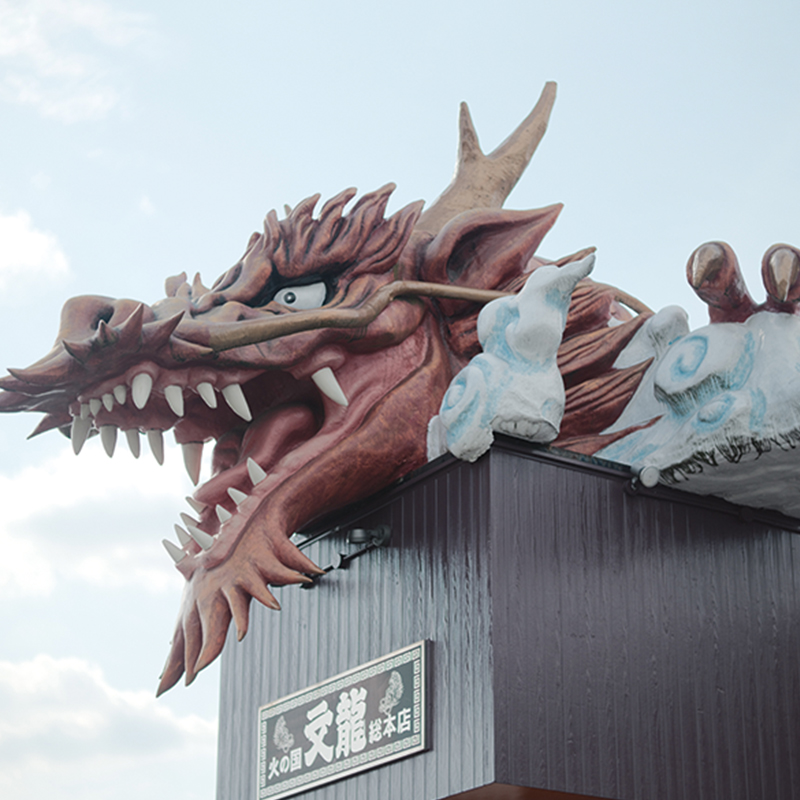
The giant dragon conveys the location of Bunryu so that it can be recognized at a glance from a distance.
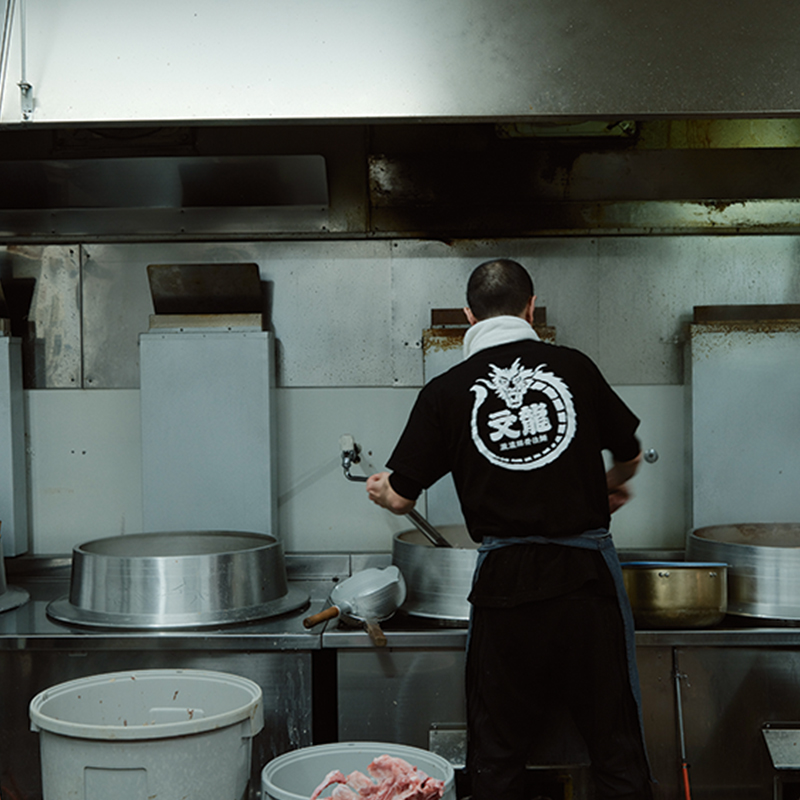
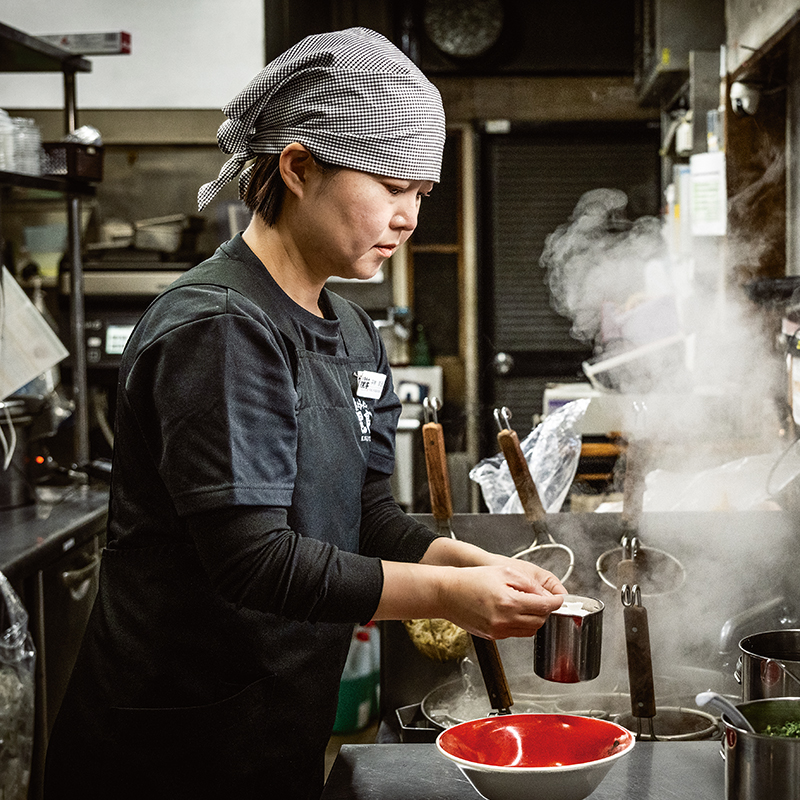
Managing the soup in multiple large cauldrons.
They assess the condition of the soup, which changes from moment to moment.
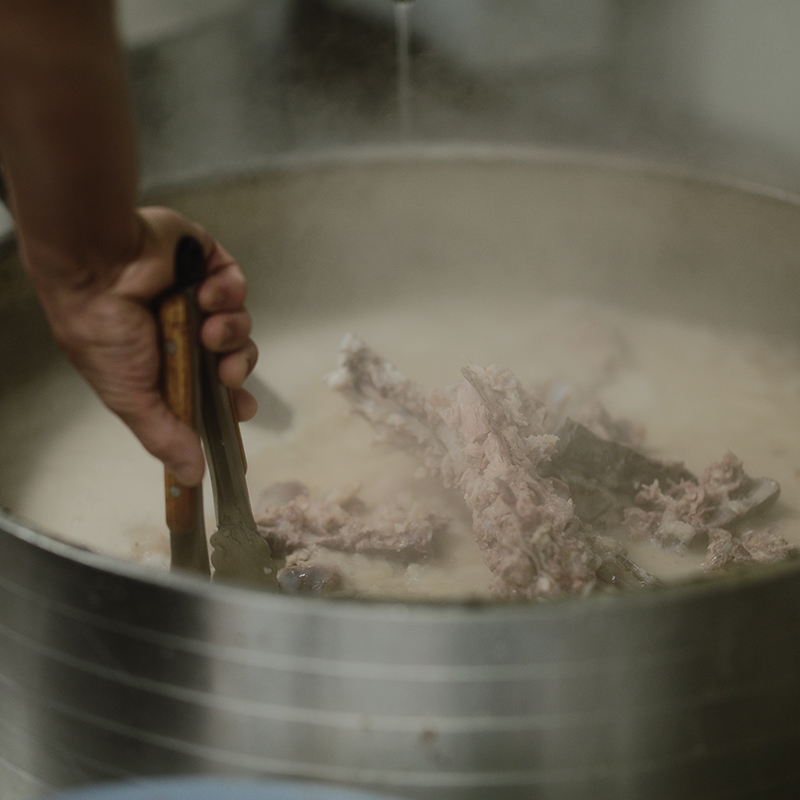
The soup is intentionally used along with the scum.
The scum, which normally tends to result in off-flavors, increases a unique umami by being simmered with fresh pork.