


Kosa Town Yana Fish Trap.
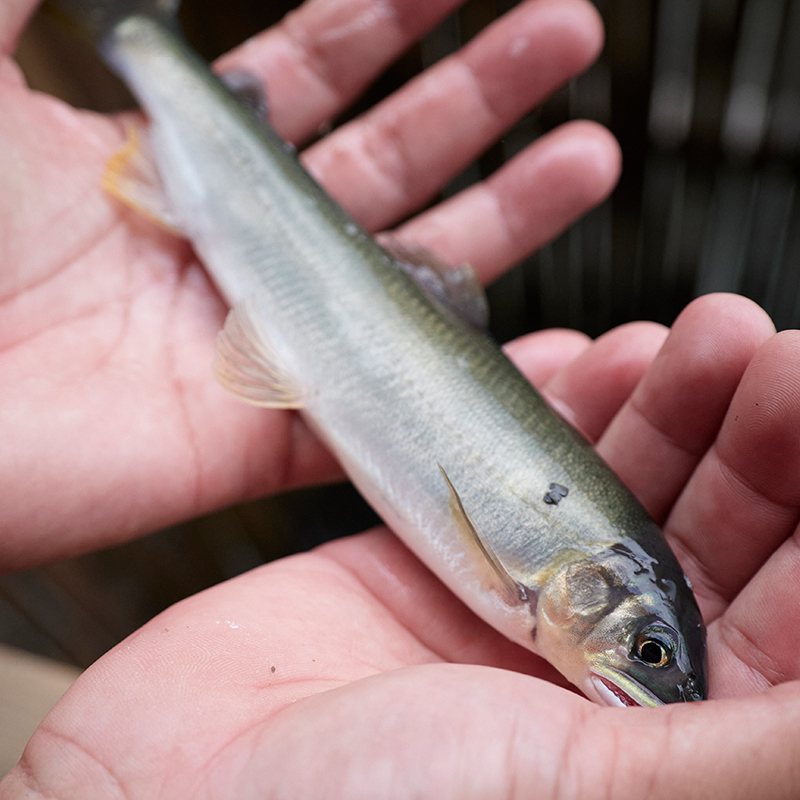
Late July through August, when ayu sweetfish swim downstream to spawn, is the period when the greatest number of fish are caught.
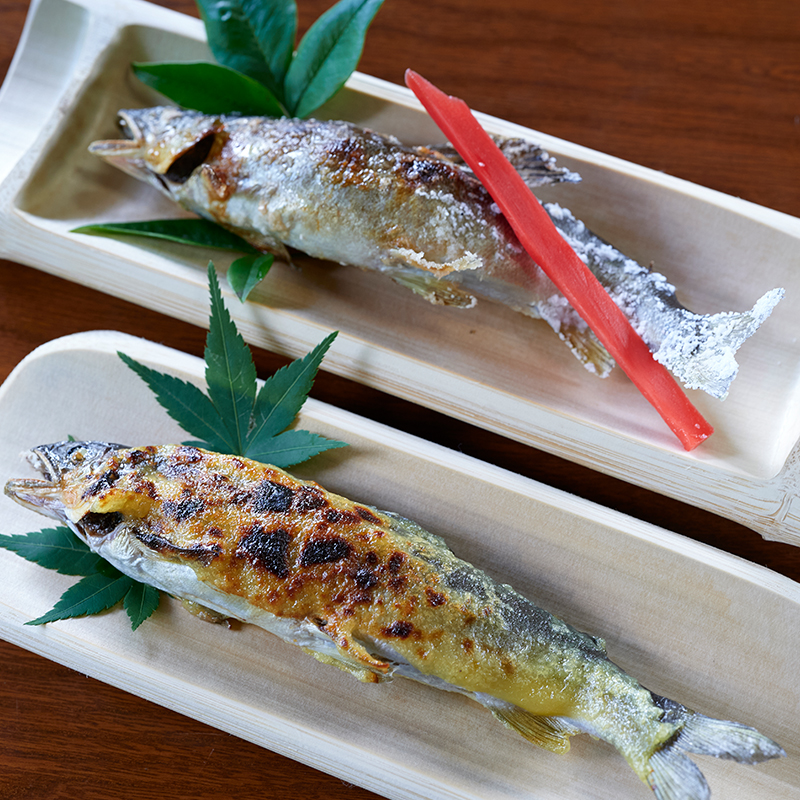
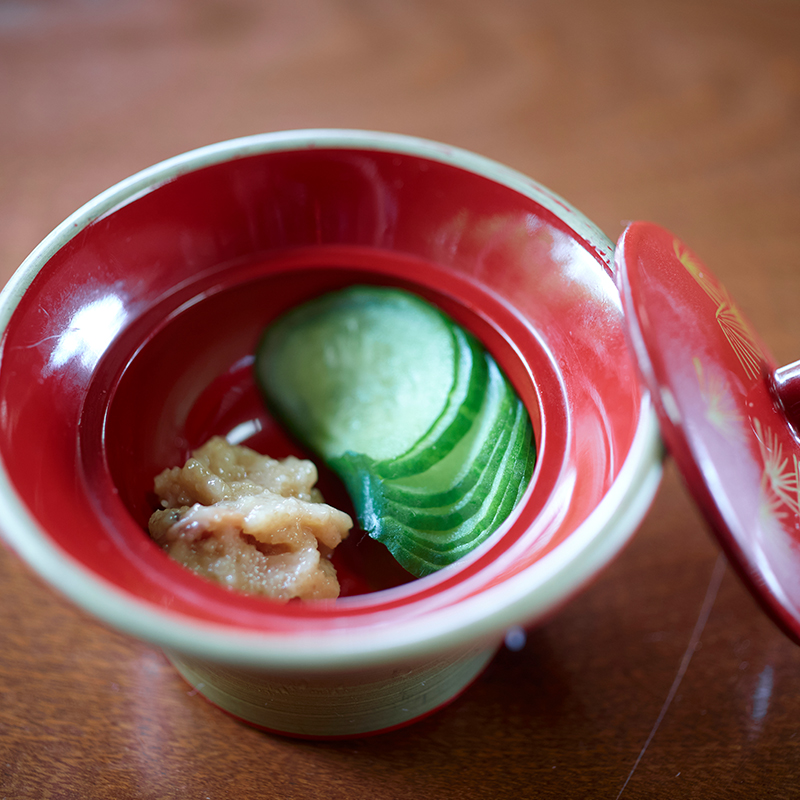
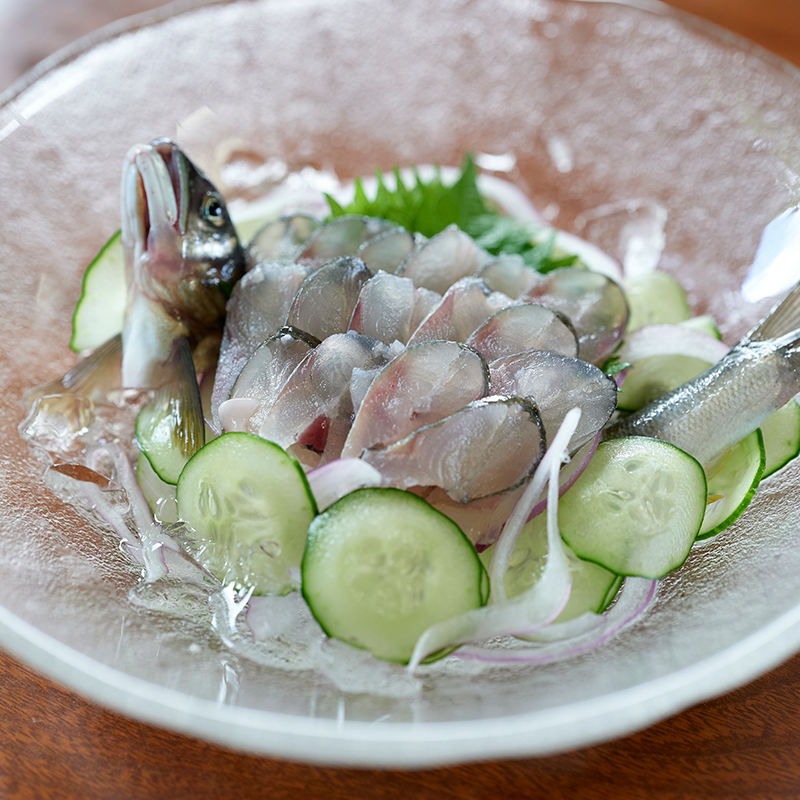
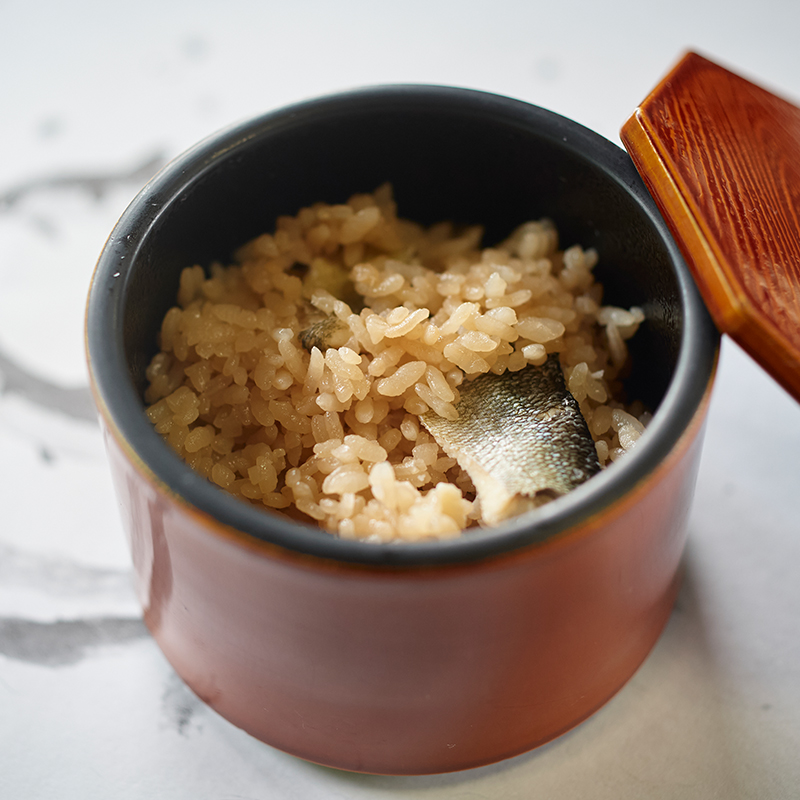
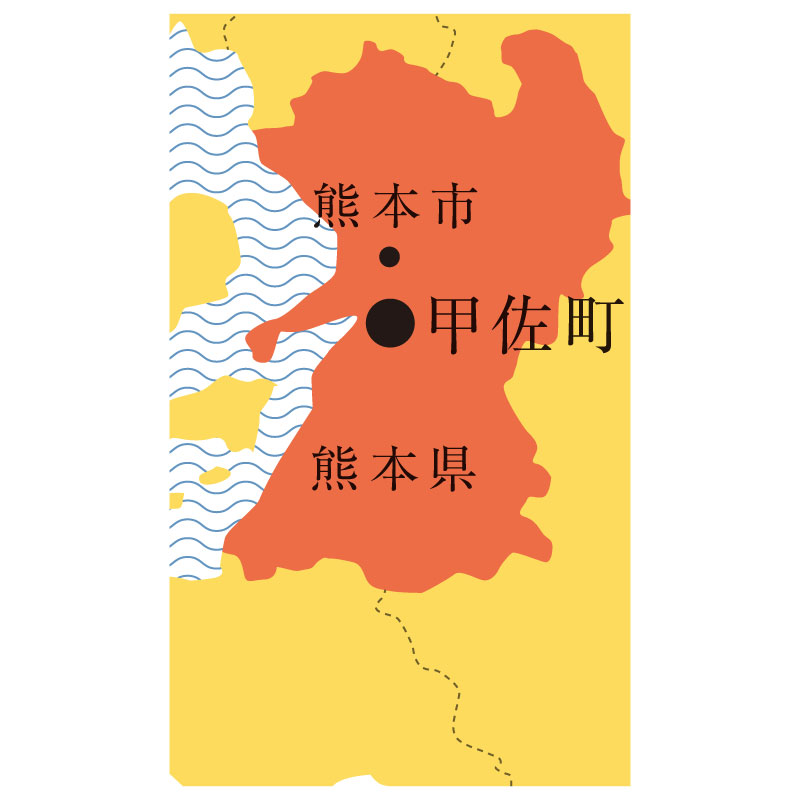
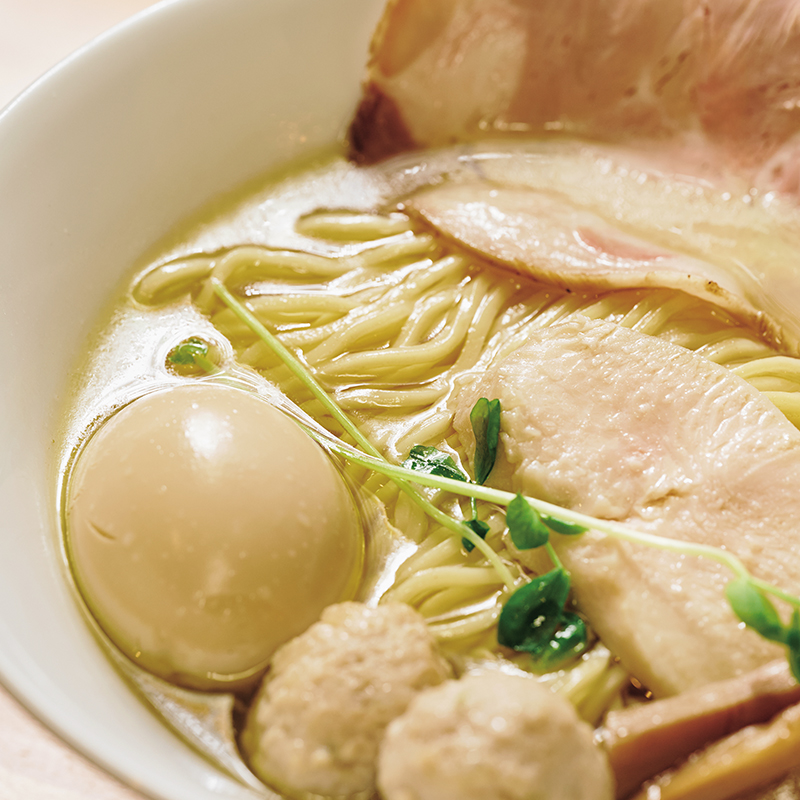
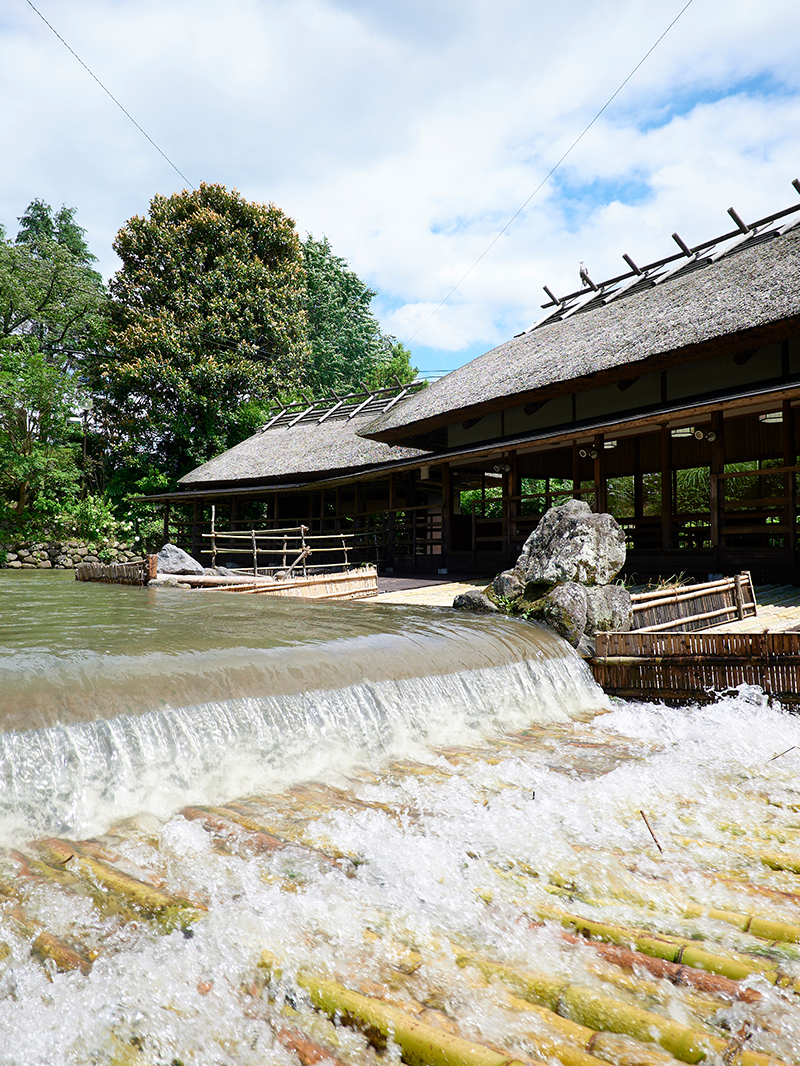
Do you know the yana fish trap in Kosa Town, Kumamoto Prefecture? It is a famous destination for ayu sweetfish, where you can savor freshly caught fish as sashimi or in clear soup while gazing at the murmuring stream. A “yana” is a structure woven from bamboo arranged like a slatted mat. It serves as a traditional fishing device that lures in and catches ayu swimming down the river. Every year, when television networks broadcast footage of locals assembling the yana using freshly cut bamboo, it serves as one of the seasonal traditions signaling the arrival of summer to the residents of Kumamoto.
Tracing back its history, Kosa Town was a land plagued by flooding from the Midori River running through its center. However, in 1608 (Keicho 13), Kato Kiyomasa—the builder of Kumamoto Castle and a legendary master of flood control—built a weir at the site based on a vision from a dream. According to local legend, this subdued the disastrous floods and provided the spark for the town’s development. The origins of the yana fish trap are said to date back to 1633 (Kanei 10), when a water regulation site for rice paddies was constructed on a tributary formed by Kiyomasa’s weir, by order of the feudal lord Hosokawa Tadatoshi. Because exceptional ayu were caught there, successive feudal lords began visiting every summer, eventually establishing the spot as a renowned destination for sweetfish.
Even when Kosa Town was struck by the 2016 Kumamoto Earthquake—forcing nearly 2,000 of its 11,000 residents into temporary shelters—this historic yana site continued its operations uninterrupted. However, despite drawing roughly 14,000 visitors annually, the facility was forced to close in 2020 and 2021 to prevent the spread of COVID-19. Weeds grew unchecked, and collapsed stone walls were left untended.
Amidst these challenges, Palette—a general incorporated association formed by young local volunteers dedicated to town revitalization—is exploring ways to reopen. “For those of us born and raised in Kosa Town, the yana fish trap is part of our core identity. We felt a deep sense of crisis that Kosa’s character would be lost if things remained this way. So, we went to consult with the keeper who had protected this site for generations, “explains Yusuke Otaki, Representative Director of Palette. However, the elderly keeper expressed reluctance due to advanced age and the absence of a successor.
Instead, the keeper suggested that these young locals take over the operation themselves. “We hesitated at first, but we felt it was vital for local residents to continue safeguarding this place. Wanting to act as a bridge to the next generation, we decided to step up,” says Mr. Otaki.
After securing approval from Kosa Town, the owner of the yana facility, Mr. Otaki and his team leased the premises in April and began preparations for the reopening. They harvested and transported nearly 400 bamboo stalks from a grove upstream. Guided by the former keeper and experienced locals, teams of up to 20 people gathered on peak days to construct the yana trap. On June 1, the facility officially reopened.
“Starting this year, we extended our daily hours by one hour and expanded our season from June–November to year-round operations. We hope this encourages tourists to stay overnight and explore the broader town.” With this vision, Mr. Otaki and his team are also advancing broader initiatives, including opening a hotel converted from a traditional kominka house and enriching the local restaurant scene.
Beyond its culinary appeal, ayu sweetfish is a peak summer delicacy packed with nutrients. According to Dr. Hiroko Tomoyori, a nutritionist and professor at the Prefectural University of Kumamoto, ayu offers a wide spectrum of vitamins and minerals. It is particularly remarkable for its high calcium content—boasting four to five times more calcium than standard whole milk (per 100g). Furthermore, because the internal organs are rich in calcium and essential vitamins, eating the fish whole provides the maximum nutritional benefit. Perhaps this Kumamoto specialty played a quiet role in protecting the bone density of successive feudal lords, helping them stay healthy through the oppressive summer heat.
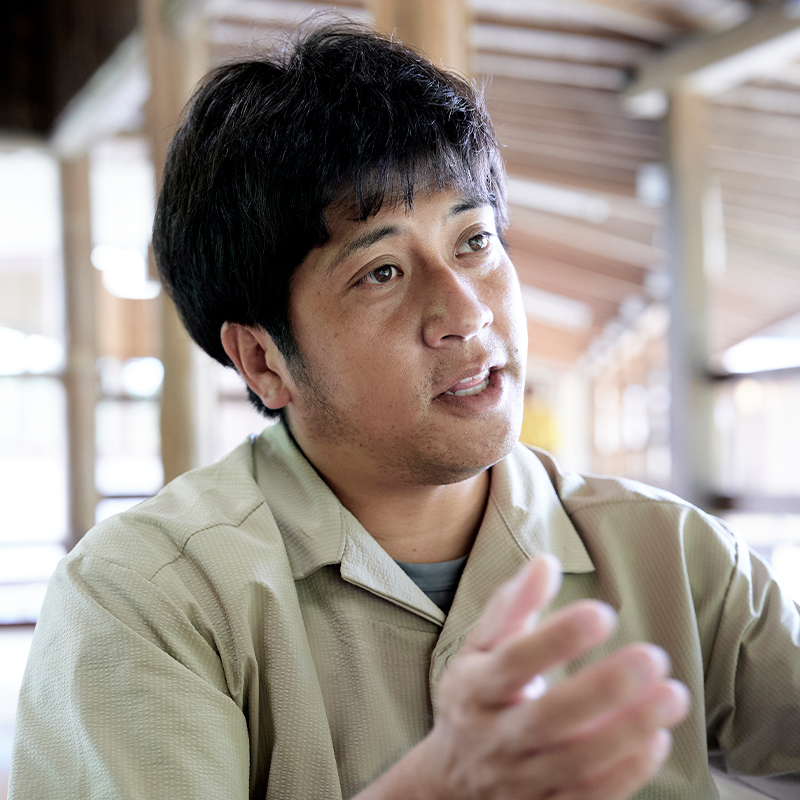
Yusuke Otaki, Representative Director of Palette (General Incorporated Association).
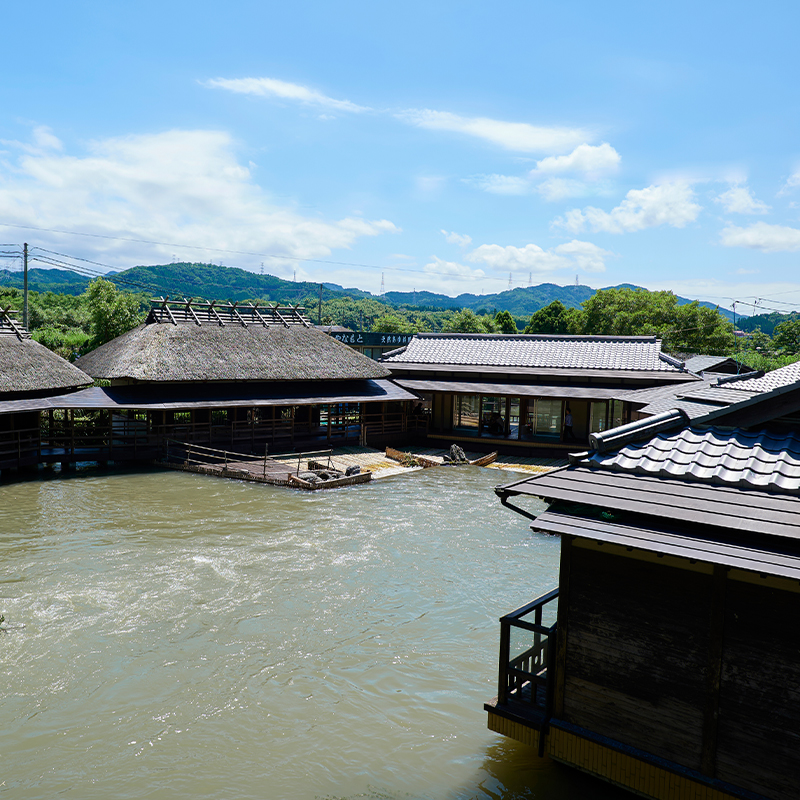
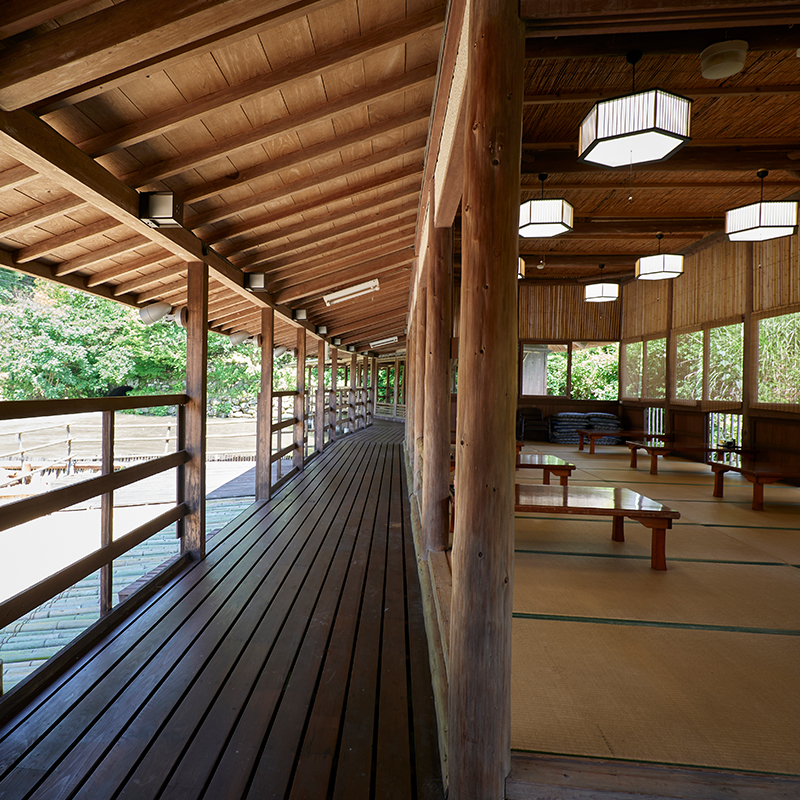
Five thatched-roof pavilions are arranged in a U-shape, forming a wondrous space that evokes a sense of intimacy with the water.